

For working adults, sleep is often sacrificed in the rush to meet deadlines, juggle responsibilities and stay connected. But what many overlook is how nutrition directly impacts sleep quality…. and by extension, your performance at work.
The Food-Sleep Connection
What you eat during the day can influence how well you sleep at night. Diets high in sugar, caffeine and processed foods can disrupt your sleep cycle, making it harder to fall asleep or stay asleep. Avoiding heavy meals, alcohol and caffeine close to bedtime can also make a big difference in sleep quality. On the flip side, other foods can promote relaxation and support deeper rest.
Nutrients That Support Sleep
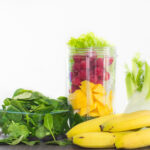
- Magnesium helps regulate melatonin and calm the nervous system. Found in: leafy greens, nuts, seeds
- Tryptophan is a precursor to serotonin, which supports sleep. Found in: turkey, eggs, oats
- Complex carbs help the body absorb tryptophan more effectively. Found in: sweet potatoes and whole grains
Why It Matters for Work
Poor sleep affects everything from memory and focus to emotional regulation. Workers who don’t sleep well are more likely to make mistakes, feel irritable and struggle with motivation. By improving your nutrition, you’re not just supporting your health physically, you’re boosting your ability to perform mentally and thrive professionally.
5 Quick Tips for Better Sleep through Nutrition
- Eat balanced meals with protein, fiber and healthy fats.
- Limit caffeine after 2 p.m.
- Avoid sugary snacks before bed.
- Stay hydrated, but taper water intake in the evening.
- Include sleep-supportive foods like bananas, almonds, oatmeal and chamomile tea.
Drifting Off
Sleep and nutrition are deeply connected. By making small changes to your eating habits, you can improve your rest, sharpen your focus, and feel more energized throughout the day. It’s a simple shift with powerful results.
Sources:
https://sleep.biomedcentral.com/articles/10.1186/s41606-023-00090-4
https://academic.oup.com/nutritionreviews/advance-article/doi/10.1093/nutrit/nuaf062/8149210
https://link.springer.com/article/10.1007/s41105-020-00256-y
https://www.frontiersin.org/journals/nutrition/articles/10.3389/fnut.2022.1104427/full