
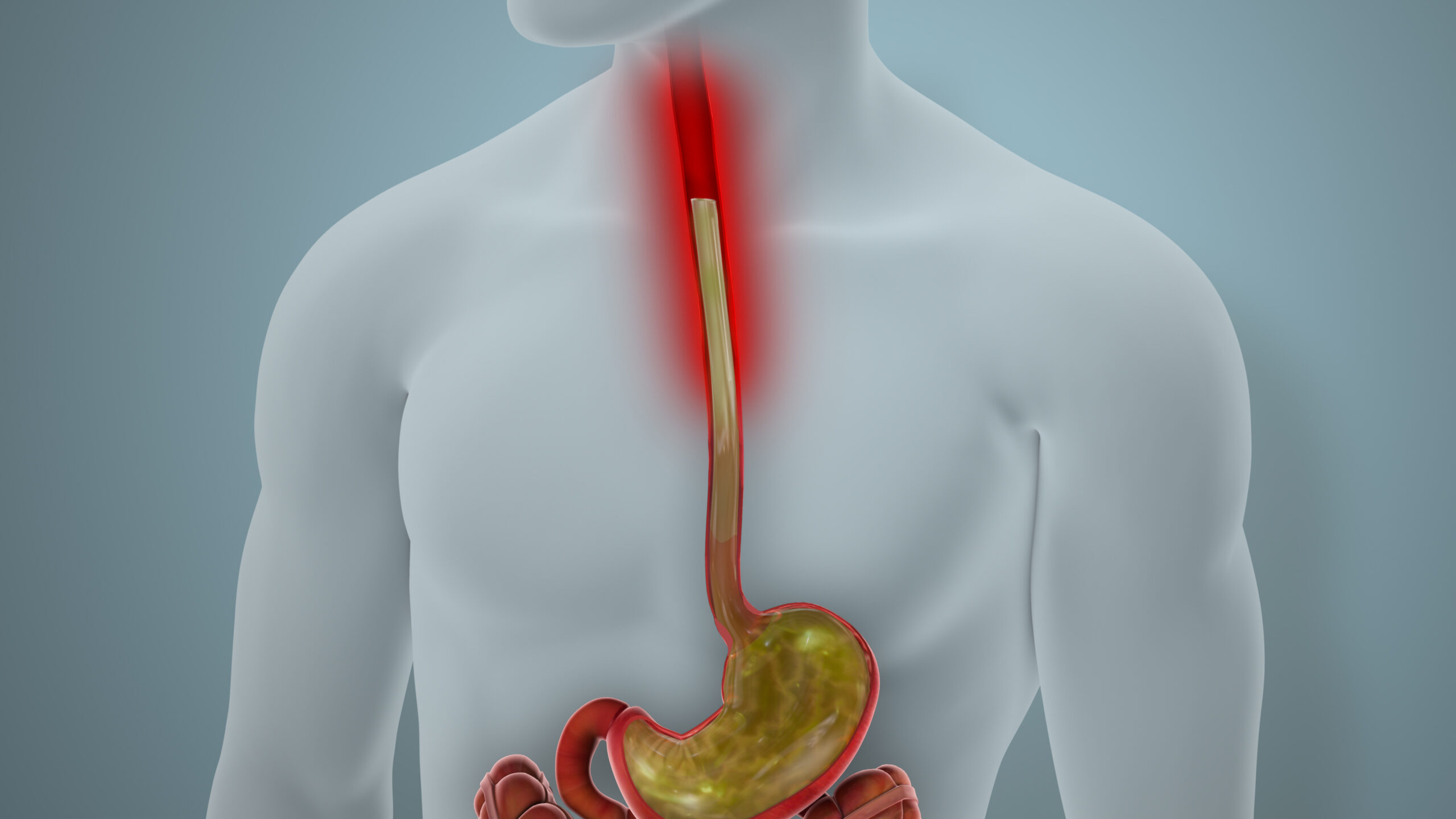

If you’ve ever felt a burning sensation in your chest after lunch or experienced a sour taste in your mouth during an afternoon meeting, you’re not alone. Acid reflux affects millions of adults and can interfere with sleep, productivity and overall well-being. Understanding what causes acid reflux and how lifestyle habits influence digestive health can help you feel better both at work and at home.
What Is Acid Reflux?
Acid reflux occurs when stomach acid flows backward into the esophagus, the tube that connects the mouth to the stomach. Normally, a muscle called the lower esophageal sphincter acts like a valve to keep stomach contents where they belong. When that valve relaxes or weakens, acid can escape and irritate the lining of the esophagus.
Common symptoms include:
- Heartburn
- Regurgitation of food or sour liquid
- Chronic cough
- Hoarseness
- Difficulty swallowing
- A sensation of a lump in the throat
Occasional acid reflux is common, but frequent symptoms may indicate gastroesophageal reflux disease (GERD), a condition that should be evaluated by a healthcare provider.
How Work Habits Can Affect Digestive Health
Busy schedules often encourage behaviors that can trigger reflux. Eating large meals quickly, working through lunch, relying on caffeinated beverages or consuming heavy meals late in the evening may increase symptoms.
Stress can play a role.
While stress does not directly cause acid reflux, research suggests it can worsen symptom perception and contribute to behaviors that trigger digestive discomfort, such as overeating or choosing less nutritious foods.
Employees who spend long periods sitting may also notice increased digestive discomfort, particularly after meals. Taking short movement breaks throughout the day may support better digestion and overall wellness.
Everyday Strategies to Manage Symptoms
Managing acid reflux often starts with practical lifestyle adjustments:
- Eat smaller meals instead of large portions.
- Avoid lying down for at least two to three hours after eating.
- Limit common trigger foods such as fried foods, spicy dishes, chocolate, peppermint and alcohol if they worsen symptoms.
- Maintain a healthy weight.
- Stay physically active.
- Stop smoking if applicable.
- Elevate the head of your bed if nighttime symptoms occur.
Keeping a food and symptom journal can help identify personal triggers, since reactions vary from person to person.
Support Long-Term Digestive Wellness
Digestive health is about more than avoiding heartburn. A balanced diet rich in vegetables, fruits, whole grains and lean proteins supports healthy digestion and overall wellness. Staying hydrated and managing stress through exercise, mindfulness or adequate sleep can also contribute to a healthier digestive system.
If symptoms occur more than twice a week, interfere with daily activities or persist despite lifestyle changes, consult a healthcare professional. Early evaluation can help prevent complications and identify the most effective treatment plan.
If you experience frequent heartburn or reflux symptoms, consult your healthcare provider for personalized guidance and treatment options.
Sources