
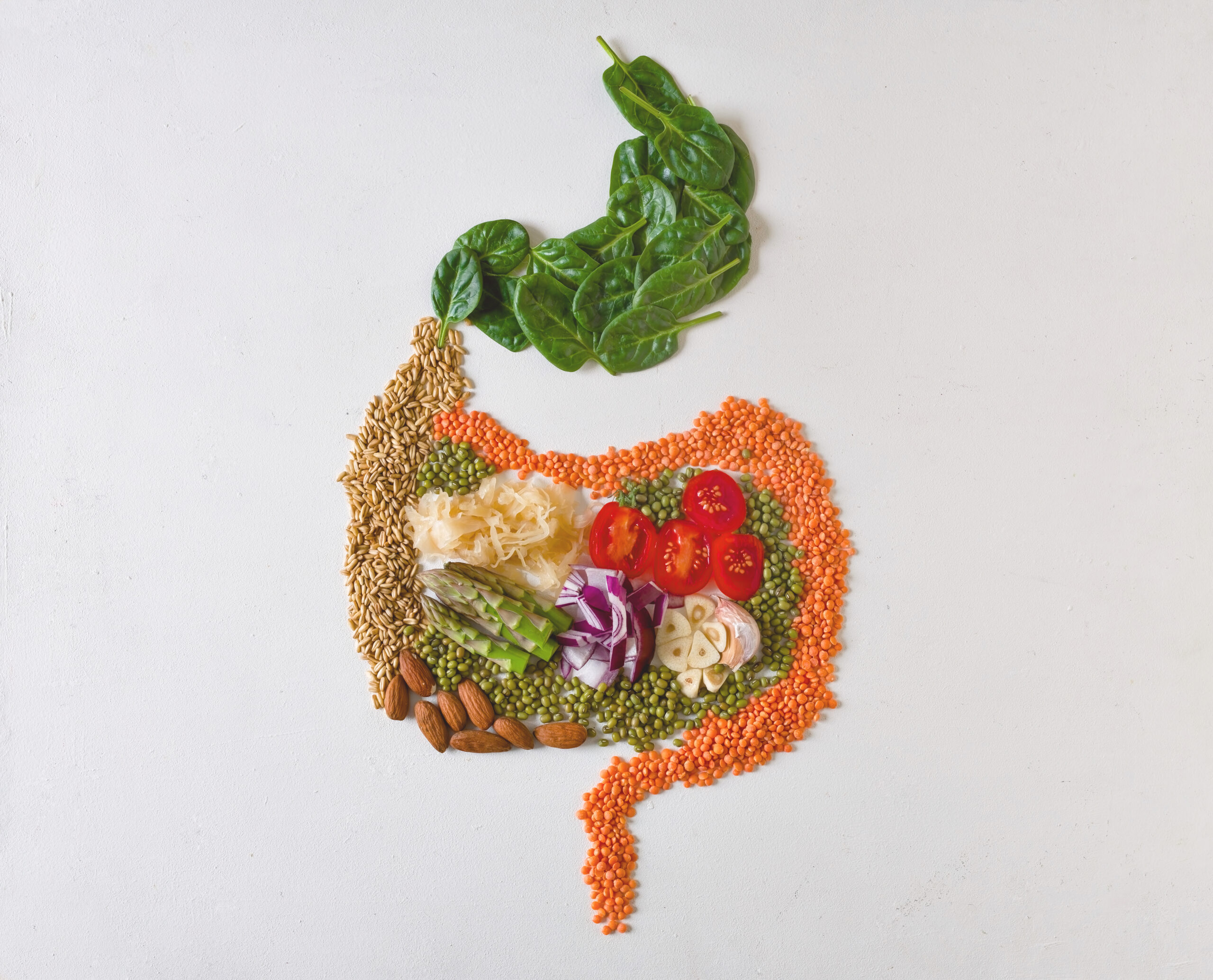

From powering through meetings to managing busy family schedules, many adults spend little time thinking about their digestive health until something goes wrong. Yet the digestive system plays a vital role in overall wellness, helping the body absorb nutrients, eliminate waste and support immune function. Fortunately, a few everyday habits can help keep your digestive system working at its best.
Why Digestive Health Is Important
Your digestive system breaks down food into nutrients that fuel your body. When digestion is functioning properly, you are more likely to experience consistent energy levels, regular bowel movements and overall comfort. Poor digestive health, on the other hand, may contribute to symptoms such as bloating, constipation, diarrhea, heartburn or abdominal discomfort.
A healthy gut is also linked to immune health and may influence other aspects of well-being, including mood and sleep quality.
Everyday Habits That Support Digestion
Good digestive health is built on consistent daily habits, not quick fixes. Small changes can make a meaningful difference in how your digestive system functions and how you feel throughout the day.
Prioritize Fiber-Rich Foods
Fiber helps move food through the digestive tract, supports regular bowel movements and nourishes beneficial gut bacteria. Most adults do not get enough fiber in their diets.
Try incorporating:
- Fruits such as apples, pears and berries
- Vegetables including broccoli, carrots and leafy greens
- Whole grains like oatmeal, brown rice and whole wheat bread
- Beans, lentils and chickpeas
- Nuts and seeds
Increasing fiber gradually can help prevent bloating or discomfort.
Stay Hydrated
Water supports digestion by helping break down food and move waste through the intestines. Even mild dehydration can contribute to constipation and digestive discomfort.
Keep a water bottle nearby throughout the workday and aim to drink fluids consistently rather than waiting until you feel thirsty. A practical takeaway for most working adults:
- Aim for approximately 9 cups of beverages per day for women and approximately 13 cups per day for men.
- Drink more if you exercise, spend time outdoors in hot weather, are pregnant or breastfeeding, or are ill with fever, vomiting or diarrhea.
Make Time for Movement
Physical activity helps stimulate the digestive tract and can promote regularity. You do not need an intensive workout to benefit. Consider:
- Taking at least a 10-15 minute walk after lunch
- Using the stairs when possible
- Standing up and stretching once an hour/during breaks
- Participating in regular exercise several times per week
Even a few minutes of movement throughout the day can support digestive function. However, for digestive health, the ultimate recommendation is generally the same as for overall health:
- At least 150 minutes of moderate-intensity aerobic activity per week (such as brisk walking, cycling or swimming), or
- 75 minutes of vigorous-intensity activity per week + muscle-strengthening activities at least 2 days per week.
Slow Down at Mealtime
Many people eat while answering emails, attending meetings or rushing between commitments. Eating too quickly can lead to overeating and bloating. Further, research suggests it takes about 20 minutes for fullness signals to travel from the digestive system to the brain. Eating too quickly can increase the risk of overeating and digestive discomfort. Practice mindful eating by:
- Sitting down for meals when possible
- Chewing food thoroughly
- Eating slowly
- Paying attention to hunger and fullness signals
- Limiting distractions during meals
Manage Stress
The digestive system and brain are closely connected. Periods of prolonged stress may contribute to symptoms such as stomach discomfort, changes in bowel habits and increased digestive sensitivity. Helpful stress-management techniques include:
- Regular exercise
- Deep breathing
- Meditation or mindfulness practices
- Adequate sleep
- Taking breaks throughout the workday
Get Enough Sleep
Sleep plays an important role in overall health, including digestion. Poor sleep habits may contribute to digestive discomfort and can affect hunger and eating patterns.
Make sleep a priority. Most adults need 7 to 9 hours of sleep each night to support overall health, including healthy digestion, appetite regulation and energy levels throughout the day. Aim for a consistent sleep schedule and create a bedtime routine that supports quality rest.
Limit Habits That Can Upset Digestion
Certain behaviors may increase the risk of digestive issues, including:
- Eating large meals late at night
- Consuming excessive alcohol
- Smoking
- Frequently relying on highly processed foods
- Remaining sedentary for long periods
Making gradual improvements in these areas can support both digestive and overall health.
Mindful Eating Can Make a Difference
Busy workdays often lead to rushed meals eaten at a desk or in the car. Slowing down and paying attention to hunger and fullness cues can support digestion and reduce discomfort. Consider these simple strategies:
- Eat meals at consistent times.
- Chew food thoroughly.
- Limit distractions while eating.
- Avoid overeating.
- Give your body time to digest before lying down.
These habits may help reduce digestive complaints and encourage healthier eating patterns.
Know When to Seek Help
Occasional digestive discomfort is common, but persistent symptoms should not be ignored. Frequent heartburn, ongoing abdominal pain, significant changes in bowel habits or unexplained weight loss warrant a conversation with a healthcare provider.
Sources