
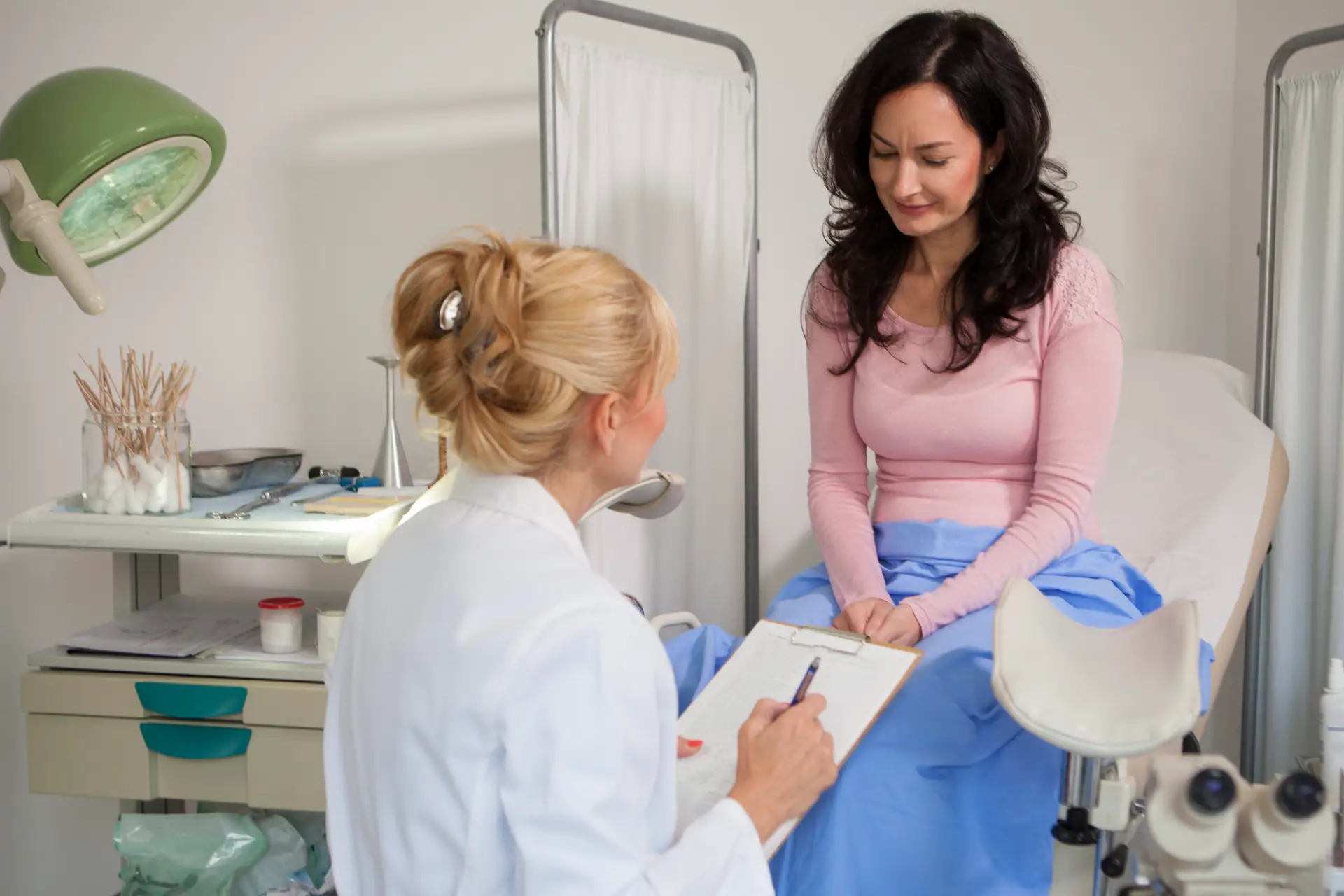

Preventive care is one of the most valuable benefits available through many health plans, yet many women may not fully understand what services are covered or when they should use them. Preventive care is designed to help identify health concerns early, when treatment is often most effective, and to support overall health before problems develop.
What Is Women’s Preventive Care?
Preventive care includes screenings, counseling, immunizations and wellness visits intended to maintain health and detect potential issues before symptoms appear. Under the Affordable Care Act, many health plans are required to cover certain preventive services without copays, coinsurance or deductibles when obtained from in-network providers.
For women, these benefits may include annual well woman visits, breast cancer screenings, cervical cancer screenings, contraceptive counseling, breastfeeding support and other age or risk-based services.
Important Screenings for Women
Preventive care needs vary throughout life, but several screenings are particularly important for many women. Breast cancer screenings can help detect cancer before symptoms develop and often when treatment options are most effective. Cervical cancer screenings, including Pap tests and HPV testing, can identify abnormal cell changes early and help prevent cervical cancer. Bone density screenings may be recommended for older women and those at increased risk for osteoporosis. Additional services may include screenings for diabetes, anxiety, high blood pressure and other conditions based on age, medical history and risk factors.
New Developments in Women’s Preventive Care
The biggest developments in women’s preventive care over the past year have focused on expanded access, mental health screening and more personalized preventive services.
1. Cervical Cancer Screening Is Becoming Easier
Perhaps the most significant recent change is the addition of self-collected HPV testing as an option for average risk women ages 30 to 65. Updated HRSA guidelines now support self collection for cervical cancer screening, helping reduce barriers for women who delay or avoid traditional screening. High-risk HPV testing is also becoming the preferred screening approach for many women in this age group. Most applicable health plans are expected to cover these updated services beginning in 2027.
Why it matters: Increased convenience may help improve screening rates and detect cervical cancer earlier.
2. Greater Focus on Mental Health Screening
Women’s preventive care has expanded beyond physical health. The Women’s Preventive Services Initiative recommends routine screening for anxiety in adolescent and adult women, including women who are pregnant or postpartum. Anxiety screening is increasingly being incorporated into preventive visits alongside depression screening.
Why it matters: Anxiety disorders are among the most common health conditions affecting women and often go undiagnosed.
3. More Attention to Maternal and Postpartum Health
Preventive care recommendations increasingly emphasize care beyond pregnancy, including screening and support for:
- Postpartum depression
- Anxiety
- Breastfeeding support
- Contraceptive counseling
- Ongoing maternal health risks after delivery
These services are recognized as important components of long term women’s health, not just pregnancy care.
Why it matters: Early identification and support can improve maternal health outcomes, strengthen parent and infant well being and help address health concerns that may persist long after childbirth.
4. Personalized Screening Based on Risk
Guidelines continue moving away from a one size fits all approach. Providers are placing greater emphasis on:
- Family history
- Genetic risk factors
- Personal health history
- Lifestyle risk factors
- Social determinants of health
This is particularly important for breast cancer, cardiovascular disease, osteoporosis and diabetes screening.
Why it matters: Tailoring screening recommendations to individual risk factors can help detect conditions earlier while reducing unnecessary testing.
5. Expanded Focus on Prevention Across the Lifespan
Modern well-woman care now includes more than annual exams. Recommendations increasingly address:
- Cardiovascular health
- Bone health
- Healthy weight management
- Diabetes prevention
- Immunizations
- Mental health
- Reproductive health
- Healthy aging
The goal is comprehensive preventive care throughout a woman’s life, rather than focusing only on reproductive years.
Why it matters: A whole person approach to prevention can help women maintain their health, reduce chronic disease risk and support healthy aging at every stage of life.
Making the Most of Your Benefits
A preventive care visit is an opportunity to discuss family health history, lifestyle habits, mental health concerns and questions about recommended screenings. Knowing which services are covered can help women make informed healthcare decisions and avoid delaying important care.
Coverage details can vary by plan. Contact your benefits administrator if you have questions about specific preventive services or network requirements.
Prevention Is an Investment in Your Future
Preventive care is about more than checking a box for your annual physical. It is an opportunity to take a proactive approach to your health, stay current with recommended screenings and establish a partnership with your healthcare providers. Taking advantage of these benefits can help support long term health and provide peace of mind.
Sources:
Centers for Disease Control and Prevention (CDC)