
Most women rarely think about their pelvic muscles until a problem develops. Yet these muscles play a critical role in everyday health, supporting the bladder, bowel and reproductive organs while helping with core stability, bladder control and sexual function. When the pelvic floor weakens or becomes strained, it can affect quality of life in ways that are often uncomfortable, frustrating and sometimes embarrassing.
What Is the Pelvic Floor?
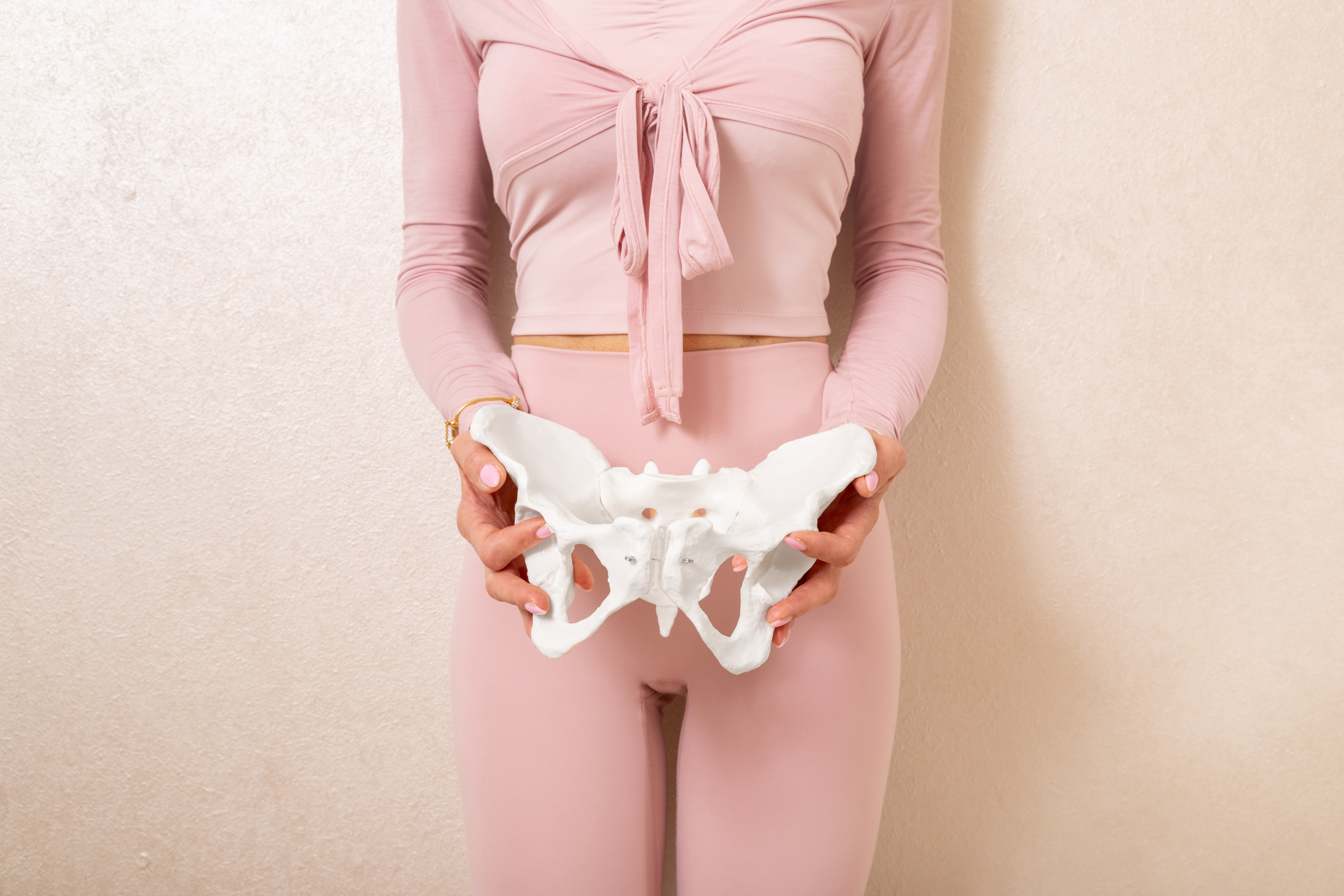
The pelvic floor is a group of muscles and connective tissues that form a supportive hammock across the bottom of the pelvis. These muscles help keep the bladder, uterus and rectum in their proper positions while assisting with urinary and bowel control.
Like any muscle group, the pelvic floor can become weakened, overstretched or injured over time. Pregnancy, childbirth, aging, menopause, obesity, chronic coughing and repeated heavy lifting can all contribute to pelvic floor dysfunction.
Pelvic floor dysfunction affects millions of women and are far more common than many realize.
Research suggests that ~ 1 in 4 adult women experiences at least one pelvic floor disorder.
Indicators Your Pelvic Floor May Need Attention
Many women assume symptoms such as bladder leakage are a normal part of aging or motherhood. While common, they are not necessarily normal and may indicate an underlying pelvic floor issue.
Some of the common warning signs include:
- Bladder control changes. Urine leakage when coughing, sneezing, laughing or exercising, a frequent or urgent need to urinate or a sensation that the bladder never fully empties can all be signs that the pelvic floor muscles are not providing adequate support to the bladder and surrounding structures.
- Constipation or difficulty with bowel movements. Straining, incomplete bowel movements or difficulty coordinating the muscles needed to pass stool may be linked to pelvic floor dysfunction. Over time, these challenges can affect comfort, energy levels and overall quality of life.
- Pelvic pressure, heaviness or a feeling that something is “falling.” Many women describe a sensation of fullness, pulling or extra weight in the pelvic area. In some cases, weakened support structures may allow one or more pelvic organs to shift downward, causing a noticeable bulge in or around the vaginal opening.
Pelvic Floor Health for Women Starts with Awareness
The good news is that many pelvic floor conditions can be improved, and in some cases prevented, through early intervention. Maintaining a healthy weight, managing chronic constipation, using proper lifting techniques and staying physically active may help reduce strain on the pelvic floor.
Pelvic floor exercises, often called Kegels, can strengthen weakened muscles that support pelvic organs and may improve bladder control when performed correctly. However, not everyone benefits from the same approach. Some women have overly tight pelvic floor muscles and require relaxation techniques or guided therapy instead.
When to Seek Professional Help
Pelvic floor physical therapy has become an increasingly recognized treatment option for women experiencing pelvic floor dysfunction. Specially trained therapists can evaluate muscle strength, flexibility and coordination, then develop a personalized treatment plan.
Just as importantly, women should feel comfortable discussing pelvic floor concerns with their healthcare providers or their managers, when accommodations are required.
How to Ask for Help or Workplace Accommodations
Many women hesitate to discuss pelvic health concerns at work because the symptoms can feel personal or embarrassing. However, if your condition is affecting your comfort, concentration or ability to perform certain job duties, it is appropriate to speak with your manager, Human Resources representative or another designated workplace contact.
You do not need to share detailed medical information unless you choose to. Instead, focus on the workplace challenges you are experiencing and the support that may help you perform your job effectively. For example, you might request:
- More frequent restroom breaks
- The ability to sit, stand or move as needed during the day
- Flexibility during lengthy meetings or training sessions
- Temporary remote work arrangements, when appropriate
- Adjustments to travel schedules or prolonged standing requirements
- Ergonomic seating or workstation modifications
A simple conversation might sound like:
“I’m managing a health condition that occasionally requires more frequent restroom access and movement throughout the day. I’d like to discuss a few adjustments that would help me continue performing my job effectively.”
Or:
“I have a medical condition that affects my comfort during extended periods of sitting. Could we discuss options that would allow me to remain productive while managing my symptoms?”
Remember that many health conditions are not visible, and employers are generally more focused on helping employees succeed, than on the specific diagnosis. Approaching the conversation with professionalism and a focus on job performance can make it easier for everyone involved.
Employee Takeaway: You do not have to suffer in silence. A brief, professional conversation focused on your workplace needs, rather than medical details, can often open the door to practical solutions that support both your well-being and your work.
For Managers: Recognizing When an Employee May Be Struggling
Pelvic floor conditions are often invisible and highly personal. Employees experiencing symptoms may never disclose their condition, yet it can still affect their comfort, confidence and productivity. Common challenges can include frequent restroom visits, difficulty sitting comfortably for long periods, avoiding travel or lengthy meetings, increased stress about finding restroom access or reluctance to participate in physical activities or company wellness events.
Managers should avoid making assumptions or asking intrusive medical questions. Instead, it is helpful to focus on observable workplace needs and create an environment where employees feel comfortable requesting support. Simple accommodations such as flexible break schedules, access to the nearest restrooms, options to stand or move during long meetings, remote work flexibility when appropriate and awareness of ergonomic considerations can make a meaningful difference.
If an employee shares a pelvic health concern, managers should respond with empathy, discretion and respect for privacy. Health information should be kept confidential, and conversations should center on how the organization can support the employee’s ability to perform their job effectively. A supportive workplace culture can help reduce stigma and encourage individuals to seek appropriate medical care when needed.
Manager Takeaway: Not every health challenge is visible. By fostering flexibility, protecting privacy and responding with compassion, managers can help employees navigate sensitive health concerns while maintaining dignity and workplace success.
If you experience any of these symptoms, know that you are not alone and effective treatments are available. Talking with your healthcare provider can help identify the cause of your symptoms and determine the most appropriate course of care.
Your pelvic floor is an essential part of your overall health. Paying attention to symptoms, adopting healthy habits and seeking care when needed can help you maintain comfort, confidence and quality of life for years to come.
Sources:
American College of Obstetricians and Gynecologists (ACOG)
National Institute of Child Health and Human Development (NICHD)