
Living with Ménière’s disease can be challenging, especially when episodes of vertigo, hearing changes and tinnitus disrupt daily activities. While no specific food can cure Ménière’s disease, research suggests that certain dietary habits may help support symptom management and overall wellness.
Focus on Consistent, Moderate Sodium Intake
One of the most commonly recommended dietary approaches for Ménière’s disease is maintaining a consistent sodium intake throughout the day. Large fluctuations in sodium consumption may affect fluid regulation in the body, including the inner ear.
Instead of consuming highly processed foods, choose fresh options such as:
- Leafy greens
- Fresh fruits
- Lean proteins
- Whole grains
Reading nutrition labels and preparing meals at home can also help you monitor sodium intake more effectively.
Leafy Greens: Nutrient Dense and Naturally Low in Sodium
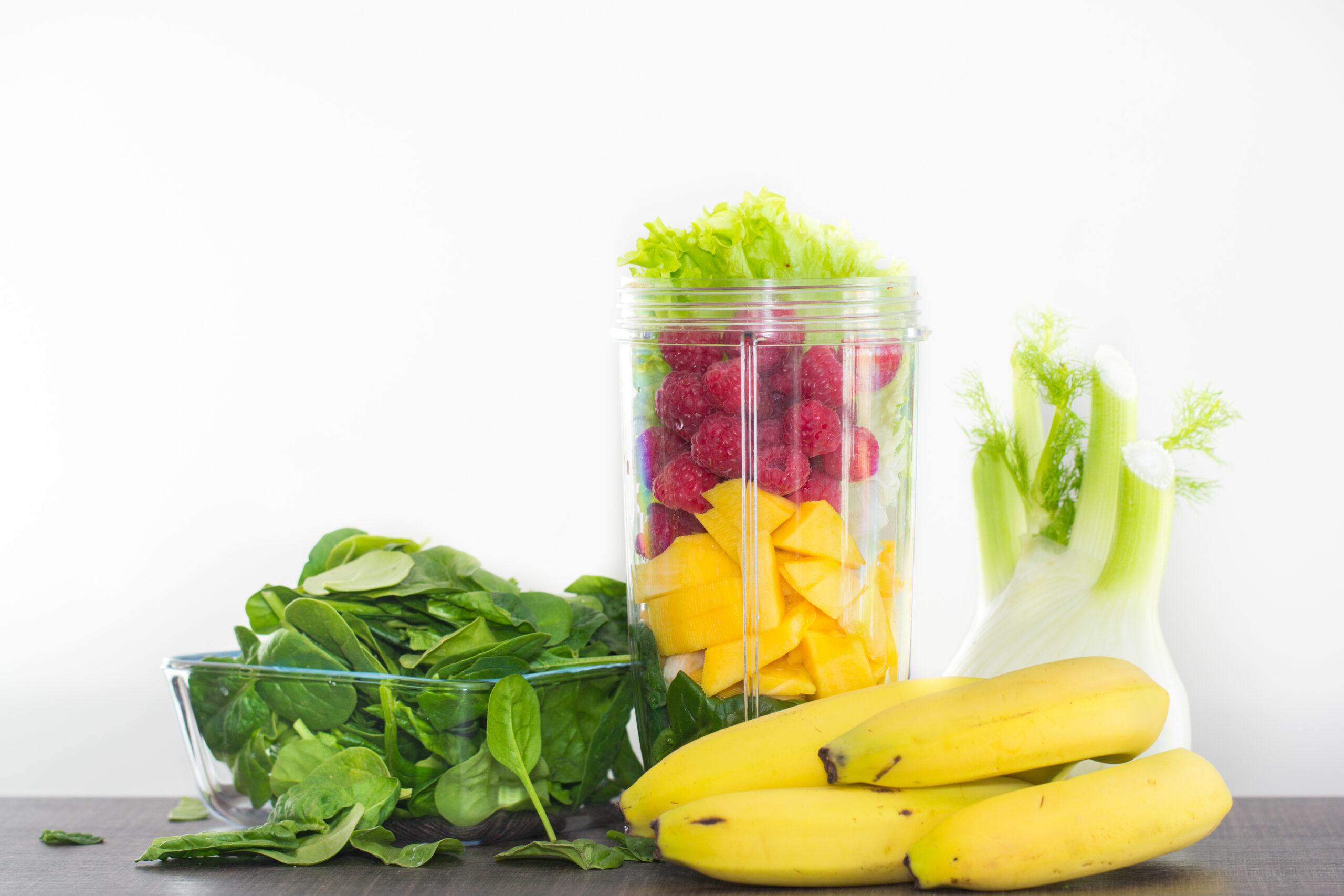
Leafy greens such as spinach, kale and arugula are excellent additions to a Ménière’s-friendly eating plan. These vegetables provide potassium, fiber and essential vitamins while remaining naturally low in sodium. Potassium helps support normal nerve and muscle function and plays a role in maintaining healthy fluid balance.
Try adding leafy greens to salads, wraps, smoothies or grain bowls for an easy nutritional boost.
Stay Hydrated Throughout the Day
Consistent hydration is an important part of many Ménière’s disease management plans. Rather than consuming large amounts of fluid at once, aim to drink water regularly throughout the day. Keeping a reusable water bottle at your desk can help maintain hydration during work hours and support overall health.
Bananas: A Convenient Potassium Source
Bananas are naturally low in sodium and provide potassium, making them a simple snack option for busy professionals. Pairing a banana with nuts, yogurt or nut butter can create a satisfying snack that supports balanced nutrition. While bananas are not a treatment for Ménière’s disease, they fit well into a diet centered on whole, minimally processed foods.
Berries: Antioxidants for Overall Wellness
Blueberries, strawberries, raspberries and blackberries are rich in antioxidants that help protect cells from oxidative stress. They also provide fiber and important nutrients without adding excess sodium. Enjoy berries as part of breakfast, in smoothies or as an afternoon snack.
Identify Personal Food Triggers
Some individuals with Ménière’s disease find that certain triggers worsen symptoms. Potential triggers may include:
- Excess sodium
- Alcohol
- Caffeine
- Highly processed foods
Because triggers vary from person to person, keeping a food and symptom journal may help identify patterns worth discussing with a healthcare provider.
Building a Sustainable Eating Plan
For people with Ménière’s disease, the strongest dietary evidence supports maintaining consistent sodium intake and staying well hydrated. Choosing nutrient-rich foods such as leafy greens, bananas and berries can complement these strategies while supporting overall health, energy and well-being.
Sources
National Heart, Lung, and Blood Institute
National Institute on Deafness and Other Communication Disorders (NIDCD)