
As temperatures rise, summer brings opportunities for outdoor fun, travel and time with family. However, prolonged heat exposure can quickly take a toll on the body. Understanding summer hydration tips and heat safety practices is essential to preventing dehydration and more serious heat-related illnesses.
Why Hydration Matters in Hot Weather
Hydration should be a top priority in hot weather.
The body loses fluids through sweat more rapidly in high temperatures, especially during physical activity. While the common advice to drink 8 glasses of water daily is a helpful baseline, individual needs vary based on activity level, age, and climate. A helpful rule is to drink water consistently throughout the day rather than waiting until you feel thirsty, since thirst can be an early sign of dehydration. Incorporating electrolyte-rich beverages can also support hydration, especially after long periods outdoors.
Recognizing the Signs of Dehydration
Recognizing the signs of dehydration in both adults and children is critical.
Early symptoms include dry mouth, fatigue, headaches, and dizziness. In more serious cases, individuals may experience confusion, rapid heartbeat, or minimal urination. Children and older adults are particularly vulnerable, making it important to monitor their hydration levels closely during summer activities.
Practical Heat Safety Tips
Beyond hydration, practicing heat safety tips in summer can significantly reduce health risks.
Wearing lightweight, breathable clothing and choosing light colors can help regulate body temperature. Planning outdoor activities in the early morning or evening can minimize exposure to peak sunlight hours. When spending extended time outside, taking frequent breaks in shaded or air-conditioned areas is essential.
Sun Protection and Cooling Strategies
Sun protection also plays a role in overall summer safety.
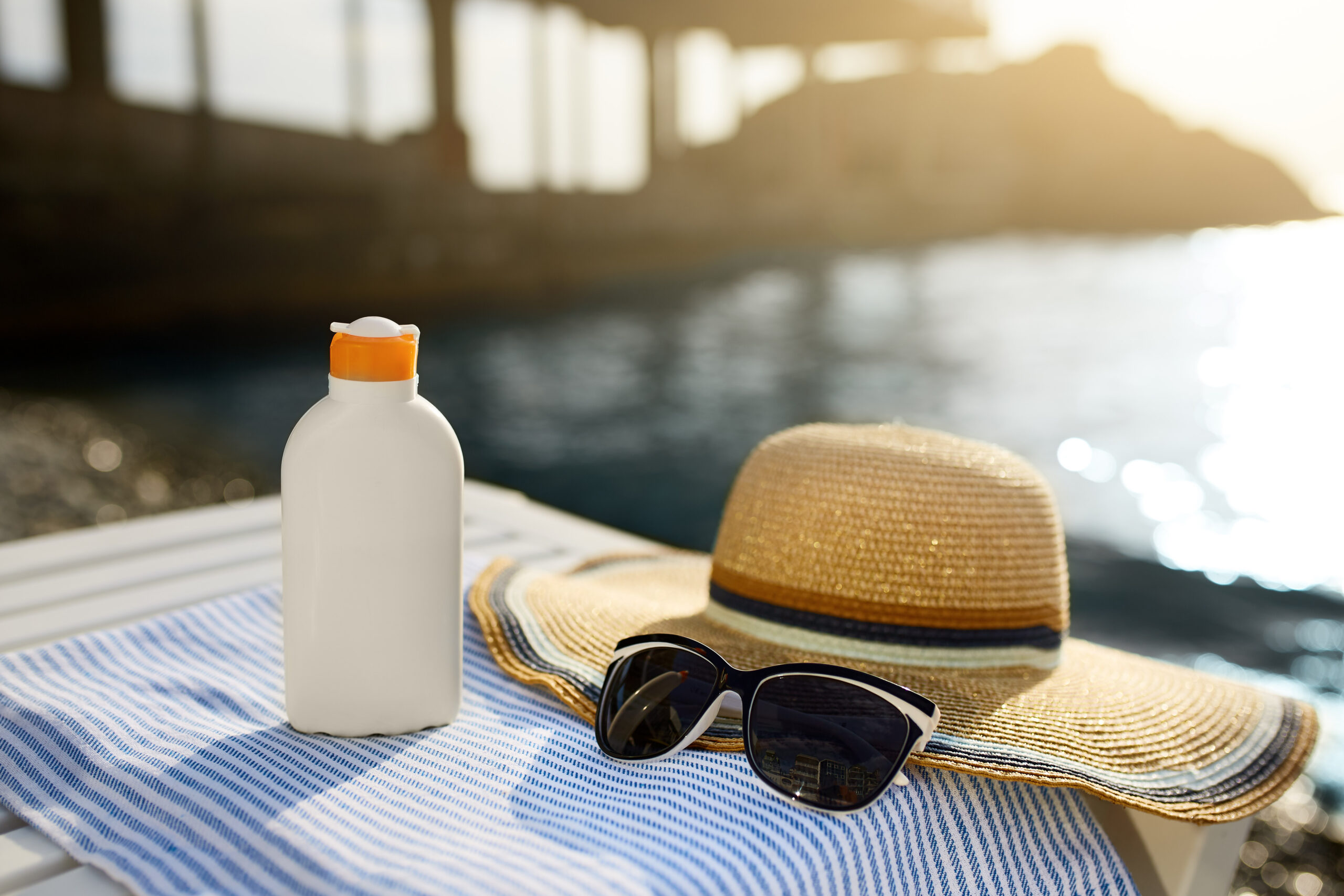
Direct sun exposure can accelerate dehydration and increase heat stress. Applying sunscreen, wearing hats, and using sunglasses helps protect the skin and eyes while making time outdoors safer and more comfortable. Additionally, never underestimate the importance of shade; even a short break from direct sunlight can help the body cool down.
Never leave children or pets in parked vehicles, even for a short time!
Protecting Children and Pets in the Heat
Interior temperatures can rise rapidly, creating life-threatening conditions within minutes. Awareness and prevention are key components of any outdoor heat safety guide.
Extra Considerations in Urban Heat
Certain environments require extra caution.
Urban areas often experience higher temperatures due to heat-retaining surfaces like asphalt and concrete. This effect can intensify conditions, making hydration even more critical. Those working outdoors or commuting in hot conditions should carry water and plan hydration breaks throughout the day.
Stay Safe and Enjoy the Season
Summer should be a time of enjoyment, not health concerns. By staying hydrated in hot weather and following simple safety precautions, you can protect yourself and those around you. With a little preparation and awareness, you can embrace the season while keeping your health a top priority.
Key Heat Safety Takeaways
- Hydration is crucial in hot weather; drink water consistently and consider electrolyte-rich beverages.
-
Recognize signs of dehydration, including dry mouth, fatigue, and confusion, especially in vulnerable groups like children and seniors.
-
Practice heat safety by wearing lightweight clothing, planning activities during cooler hours, and taking breaks in shaded areas.
-
Use sun protection strategies to prevent dehydration and heat stress, including sunscreen, hats, and sunglasses.
-
Urban areas may intensify heat, so carry water and plan hydration breaks during outdoor activities.
Sources:
Centers for Disease Control and Prevention
Ibid.
Ibid.
Mayo Clinic
American Heart Association
UAB Medicine
Occupational Safety and Health Administration (OSHA)
American Camp Association referencing CDC guidance