

s colder weather arrives, so does an increase in colds, flu and other respiratory illnesses that can affect your productivity, family responsibilities and overall quality of life. People tend to spend more time indoors during the fall and winter months, increasing exposure to the viruses that cause many seasonal illnesses. A single bout of illness can lead to missed workdays, disrupted routines and added stress at home, making prevention an important part of staying healthy throughout the season.
While it’s impossible to avoid every germ, taking a few preventive steps can help reduce your chances of getting sick and needing time away from work by bolstering your body’s natural defenses.
Start with the Basics: Vaccination and Hygiene
One of the most effective ways to reduce your risk of seasonal illness is to stay current on recommended vaccinations, including the annual flu vaccine. According to the Centers for Disease Control and Prevention (CDC), flu vaccination remains the best way to reduce the risk of flu and its potentially serious complications.
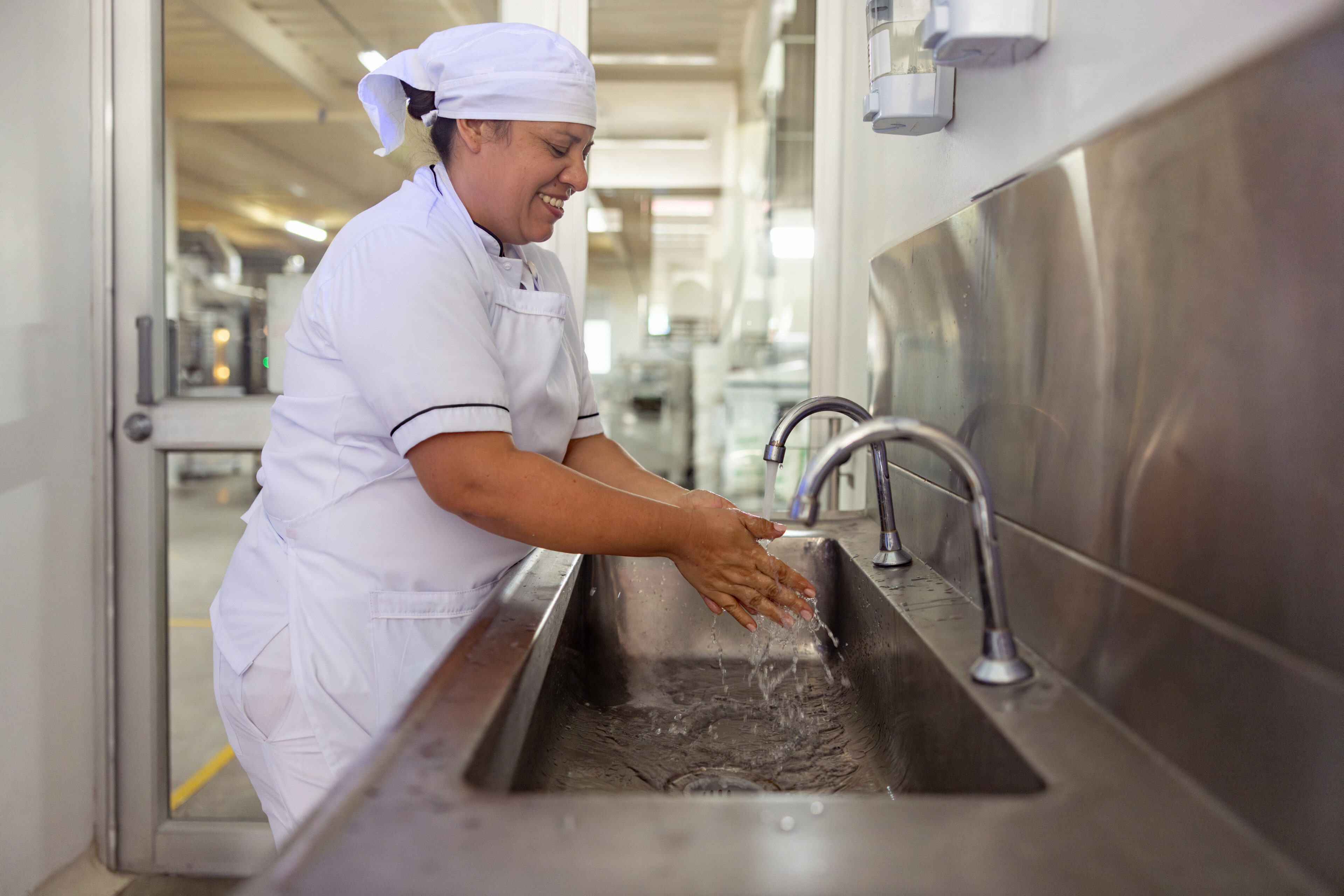
In addition to vaccination, frequent handwashing, avoiding touching your face and covering coughs and sneezes can help prevent the spread of viruses. Hand hygiene is especially important in workplaces where employees share meeting rooms, break areas, keyboards and other high touch surfaces.
Use hand sanitizer & cleaning products regularly to provide an extra layer of protection.
Prioritize Sleep to Support Immunity
If you’re burning the candle at both ends, your immune system may be paying the price. Research supported by the National Institutes of Health (NIH) found that consistent, quality sleep plays an important role in immune function, while sleep restriction can increase markers of inflammation and alter immune responses.
Most adults should aim for 7 to 9 hours of sleep each night to support both physical and mental health. During sleep, the body performs many of the processes that help regulate immune function, repair tissues and recover from the demands of the day.
Research supported by the National Institutes of Health found that consistent, quality sleep plays an important role in immune health, while chronic sleep restriction can increase inflammation and alter the body’s immune response.
Improving sleep quality often starts with simple habits:
- Go to bed and wake up at the same time each day helps regulate the body’s internal clock.
- Reduce exposure to phones, tablets and other screens before bedtime can make it easier to fall asleep.
- Limit caffeine late in the day to prevent disruptions to sleep later that night.
- Create a cool, dark, quiet sleep environment.
By making sleep a priority, you can help strengthen your body’s natural defenses and lower your risk of seasonal illness.
Fuel Your Body for Better Defense
A strong immune system relies on healthy habits year-round. Eating a variety of fruits, vegetables, lean proteins and whole grains helps provide the vitamins, minerals and antioxidants your body needs to function properly. Staying hydrated is equally important, especially in heating season when indoor air tends to be drier.
A healthy immune system depends on more than just avoiding germs.
According to the Mayo Clinic, a balanced diet, proper hydration and effective stress management all play important roles in helping the body function at its best during cold and flu season. Eating a variety of fruits, vegetables, whole grains, lean proteins and healthy fats provides essential vitamins, minerals and antioxidants that support normal immune function.
Staying well hydrated is equally important.
Water helps transport nutrients throughout the body and supports many of the systems involved in fighting illness. During the colder months, people often drink less water, making conscious hydration especially important.
Manage Stress Before It Manages You
Ongoing stress can affect sleep quality, energy levels, healthy decision making and overall well-being, making it harder to maintain healthy habits. When stress builds, people may be more likely to skip exercise, choose less nutritious foods or sacrifice sleep, all of which can make it harder for the body to stay resilient.
The Mayo Clinic recommends strategies such as regular physical activity, mindfulness practices and other healthy coping techniques to help manage stress and support overall health. Simple strategies can make a difference, like:
- Take short walking breaks
- Practice mindfulness
- Connect with friends
- Use your paid-time off at work
Combined with adequate sleep and preventive care, these everyday habits can help strengthen your body’s defenses and reduce the likelihood of seasonal illness. Even a few minutes each day devoted to stress management can support both physical and mental well-being.
Make Wellness a Daily Habit
By taking a proactive approach to wellness, you can help protect yourself from seasonal illnesses, maintain your energy and reduce the likelihood of needing time away from work or other important activities. Reducing sick days isn’t about one big change. It’s about small, consistent habits that add up over time. Prioritizing preventive care, healthy routines and workplace wellness can help you stay productive and feel your best throughout the season.
Sources